

Best Pond Filtration Systems for Clear Water: Complete Guide for a Healthy Pond
A beautiful pond can transform any outdoor space into a peaceful and visually appealing environment. However, maintaining crystal-clear water and healthy fish requires more than just adding water and aquatic plants. A reliable pond filtration system plays a crucial role in keeping your pond clean, balanced, and free from harmful contaminants.
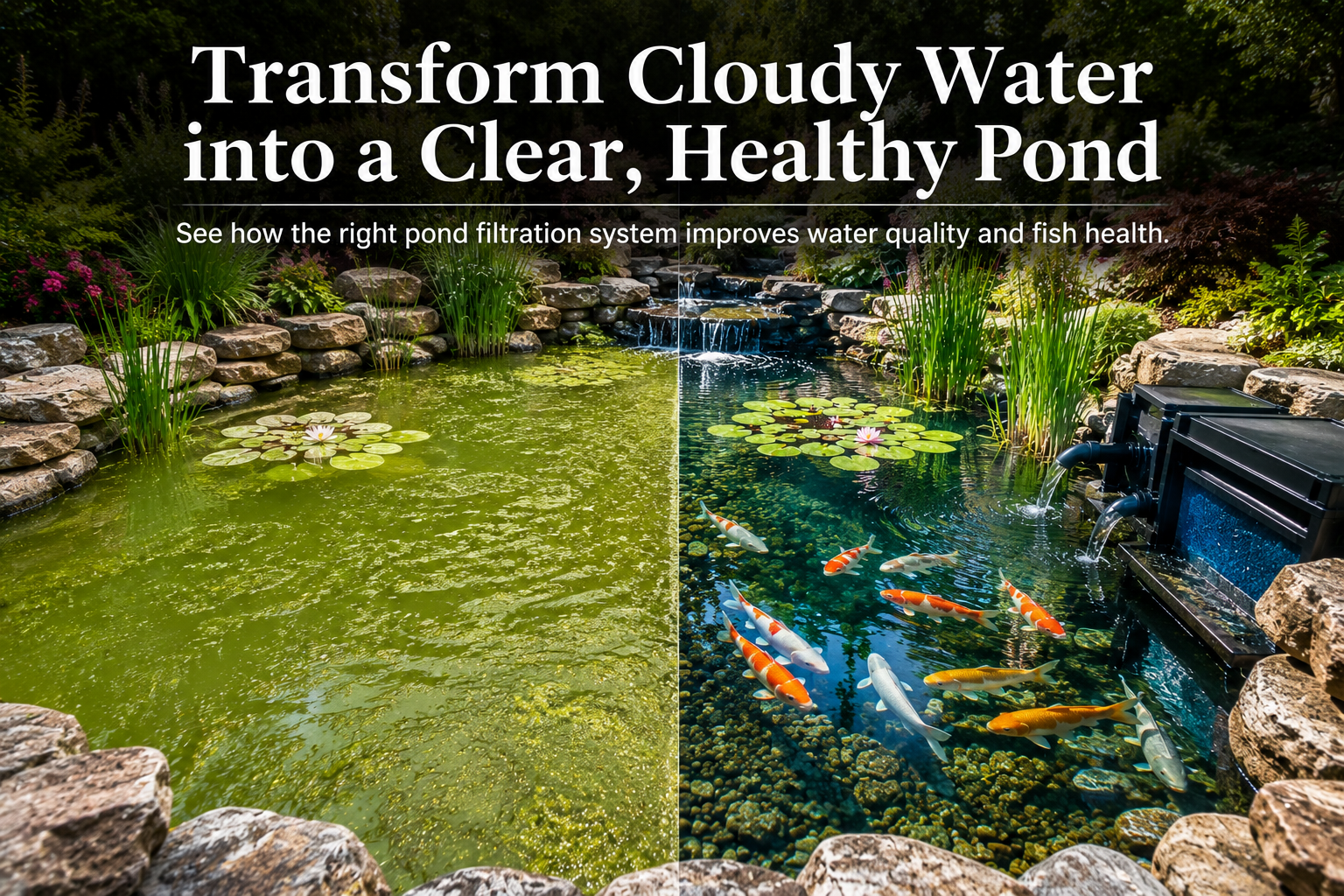
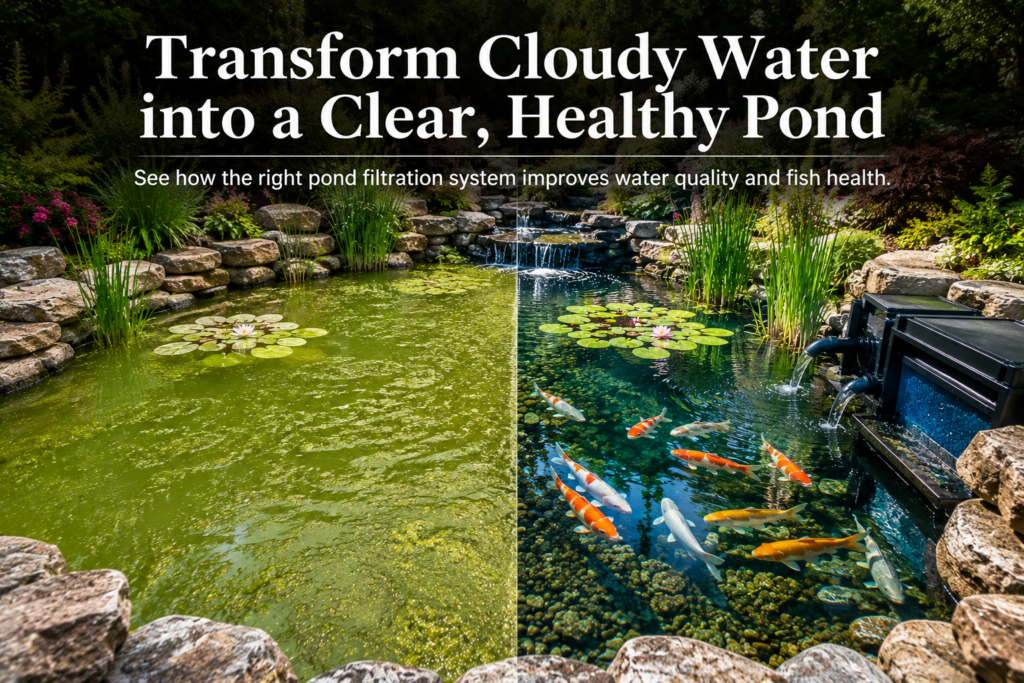
Without proper filtration, ponds can quickly develop problems such as cloudy water, excessive algae growth, foul odors, and harmful toxin buildup. These issues not only affect the appearance of your pond but can also threaten the health of fish and aquatic plants.
In this guide, we’ll explore the best pond filtration systems for clear water, explain how they work, and help you choose the right filtration solution for your pond.
What Is a Pond Filtration System?
Understanding Pond Filtration
A pond filtration system is designed to remove waste, debris, and harmful substances from pond water. It helps maintain a balanced aquatic ecosystem by improving water quality and creating a healthier environment for fish and plants.
Pond filters work continuously to remove physical debris, break down harmful toxins, and control algae growth. By keeping water clean and oxygen-rich, filtration systems contribute significantly to the overall health and beauty of a pond.
Why Every Pond Needs a Filtration System
Improves Water Clarity
A filtration system removes suspended particles and debris that can make pond water appear cloudy or dirty.
Supports Fish Health
Clean water reduces stress on fish and helps prevent diseases caused by poor water quality.
Reduces Algae Growth
Proper filtration limits the nutrients that algae need to thrive, helping maintain clear water.
Minimizes Maintenance Requirements
A well-designed filtration system reduces the need for frequent pond cleaning and water changes.
Types of Pond Filtration Systems
Mechanical Filtration
How It Works
Mechanical filtration physically removes leaves, fish waste, uneaten food, and other debris from the water. It typically uses filter pads, brushes, sponges, or screens to trap particles before they decompose.
Benefits
- Prevents debris accumulation
- Improves water clarity
- Reduces strain on biological filtration
- Serves as the first stage of pond filtration
Biological Filtration
How It Works
Biological filtration relies on beneficial bacteria that colonize filter media. These bacteria convert toxic ammonia and nitrites produced by fish waste into less harmful nitrates.
Benefits
- Maintains safe water conditions
- Reduces harmful toxins
- Supports a balanced pond ecosystem
- Essential for ponds containing fish
UV Clarifier Systems
How It Works
UV clarifiers use ultraviolet light to destroy microscopic algae cells that cause green water. As water passes through the UV chamber, algae are neutralized and can be removed by the filtration system.
Benefits
- Produces crystal-clear water
- Controls green water algae
- Improves overall pond appearance
- Works effectively alongside other filtration methods
Pressurized Pond Filters
Features
Pressurized pond filters are compact units that combine mechanical and biological filtration. Many models also include built-in UV clarifiers.
Advantages
- Easy installation
- Compact and discreet design
- Suitable for small and medium-sized ponds
- Can be concealed underground
Gravity-Fed Filtration Systems
Features
Gravity-fed systems move water through multiple filtration chambers using gravity rather than pressure.
Advantages
- High filtration capacity
- Ideal for large ponds and koi ponds
- Excellent biological filtration performance
- Handles heavy fish loads efficiently
How to Choose the Best Pond Filtration System
Consider Pond Size
The size of your pond directly affects the filtration capacity required.
- Small ponds typically benefit from compact pressurized filters.
- Medium ponds may require combined filtration systems with UV clarifiers.
- Large ponds and koi ponds often need gravity-fed systems with higher filtration capacity.
Fish Population
Fish produce waste that contributes to ammonia buildup. The more fish you have, the more robust your filtration system should be.
Koi ponds, in particular, require larger biological filtration systems because koi produce substantial amounts of waste.
Water Features
Waterfalls, streams, and fountains improve oxygen levels but may also require additional pump capacity and filtration support.
Maintenance Requirements
Choose a filtration system that matches the amount of maintenance you’re willing to perform. Easy-clean filters can significantly reduce upkeep.
Energy Efficiency
Consider both initial costs and long-term operating expenses. Energy-efficient pumps and filters can reduce electricity consumption while maintaining excellent performance.
Best Pond Filtration Systems for Different Pond Types
Best Filters for Small Garden Ponds
Pressurized filters with integrated UV clarifiers are often the most practical option. They provide effective filtration while remaining compact and easy to maintain.
Best Filters for Koi Ponds
Large biological filtration systems combined with mechanical filtration and UV clarification offer the best results for koi ponds.
Best Filters for Wildlife Ponds
Wildlife ponds often benefit from natural filtration methods that incorporate aquatic plants alongside biological filtration systems.
Best Filters for Large Decorative Ponds
Gravity-fed filtration systems provide superior water quality and handling capacity for larger decorative ponds.
Common Pond Filtration Problems and Solutions
Cloudy Water
Causes
- Excess debris
- Insufficient filtration
- Poor water circulation
Solutions
- Clean filter media regularly
- Upgrade filtration capacity if necessary
- Remove excess organic matter
Green Water Algae
Causes
- Excess sunlight
- High nutrient levels
- Lack of UV clarification
Prevention Methods
- Install a UV clarifier
- Reduce nutrient buildup
- Add aquatic plants for natural competition
Poor Water Circulation
Signs
- Dead spots in the pond
- Accumulated debris
- Reduced oxygen levels
Fixes
- Reposition pumps
- Increase pump flow rate
- Improve water movement with fountains or waterfalls
Clogged Filter Media
Cleaning Recommendations
- Inspect filters weekly
- Rinse mechanical media with pond water
- Replace worn-out filter components as needed
Pond Filter Maintenance Tips
Regular Cleaning Schedule
Check and clean mechanical filtration components regularly to prevent blockages.
Monitoring Water Quality
Test water parameters including ammonia, nitrite, nitrate, and pH levels to ensure a healthy pond environment.
Replacing Filter Media
Follow manufacturer recommendations for replacing filter pads, UV bulbs, and biological media.
Checking Pump Performance
Inspect pumps regularly for reduced flow rates or signs of wear.
Seasonal Maintenance Tips
Prepare your filtration system for changing weather conditions and remove excess debris during autumn and monsoon seasons.
Benefits of Installing the Right Pond Filtration System
Investing in the right pond filtration system provides numerous benefits, including:
- Crystal-clear water throughout the year
- Healthier fish and aquatic plants
- Reduced algae growth
- Less frequent maintenance
- Improved pond aesthetics
- Enhanced water quality and ecosystem stability
Frequently Asked Questions (FAQ)
What is the best pond filtration system for clear water?
A combination of mechanical filtration, biological filtration, and UV clarification typically provides the best results for maintaining clear pond water.
How often should a pond filter be cleaned?
Most pond filters should be inspected weekly and cleaned as necessary to maintain optimal performance.
Do koi ponds require special filtration?
Yes. Koi ponds require larger filtration systems because koi produce more waste than most other pond fish.
Can a UV clarifier replace a pond filter?
No. UV clarifiers control algae but do not remove debris or process harmful toxins. They should be used alongside a complete filtration system.
How do I know if my pond filter is too small?
Persistent cloudy water, algae blooms, poor water quality, and unhealthy fish are common indicators that your filtration system may be undersized.
Conclusion
Choosing the best pond filtration system for clear water is one of the most important decisions for any pond owner. A properly sized filtration system helps maintain excellent water quality, supports fish health, reduces algae growth, and keeps your pond looking its best year-round.
Whether you have a small garden pond, a large decorative pond, or a koi pond, investing in the right combination of mechanical, biological, and UV filtration can make a significant difference. Regular maintenance and proper system selection will ensure your pond remains a healthy and beautiful focal point for years to come.