

If you’re wondering how to keep a pond healthy, you’re not alone. Every pond owner wants crystal-clear water, thriving aquatic plants, and active, healthy fish. However, maintaining a pond involves much more than simply filling it with water and adding fish.
A healthy pond is a balanced ecosystem where water quality, filtration, plants, beneficial bacteria, and fish work together naturally. Without proper care, ponds can quickly develop problems such as green water, excessive algae growth, unpleasant odors, and stressed fish.
The good news is that learning how to keep a pond healthy doesn’t have to be complicated. With the right maintenance routine and a few essential practices, you can enjoy a beautiful, clear, and thriving pond all year round.
Understand What Makes a Pond Healthy
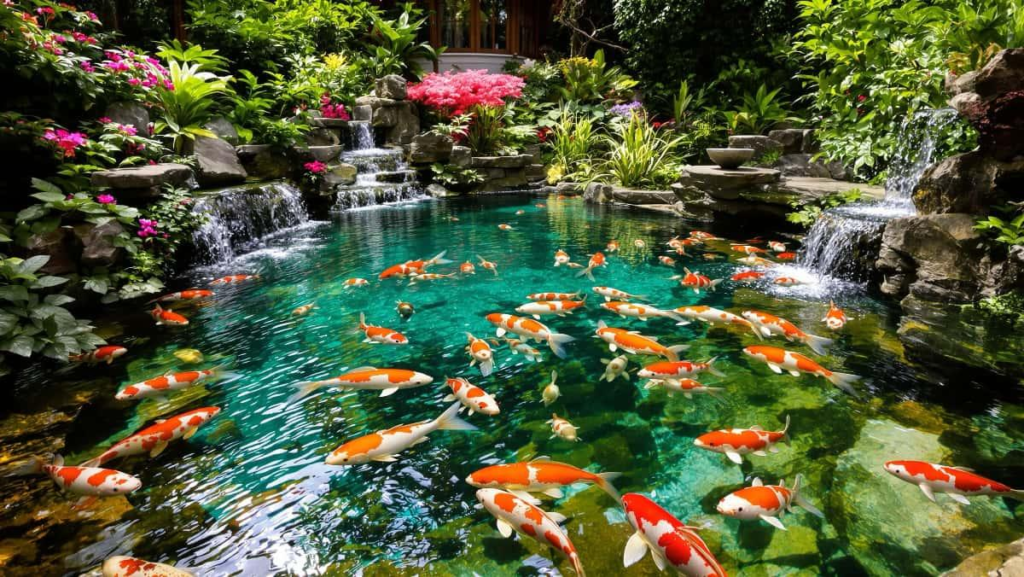
Before learning how to keep a pond healthy, it’s important to understand what defines a healthy pond.
A healthy pond typically has:
- Clear and balanced water
- Healthy, active fish
- Controlled algae growth
- Good oxygen levels
- Effective filtration
- Thriving aquatic plants
- Stable water parameters
Think of your pond as a miniature ecosystem. Every component influences the others. When one aspect becomes unbalanced, the entire pond can suffer.
Maintain Proper Water Quality
One of the most important aspects of how to keep a pond healthy is maintaining excellent water quality.
Poor water quality is often responsible for:
- Green water
- Fish stress
- Disease outbreaks
- Excessive algae growth
- Bad odors
Monitor Water Parameters
Regularly test:
- pH levels
- Ammonia
- Nitrite
- Nitrate
- Water temperature
Most pond fish thrive when water parameters remain stable. Sudden fluctuations can cause unnecessary stress and health issues.
Check Oxygen Levels
Oxygen is essential for fish and beneficial bacteria. Low oxygen levels can lead to fish gasping at the surface and poor biological filtration performance.
Regular water testing allows you to identify issues before they become serious problems.
Install an Effective Filtration System
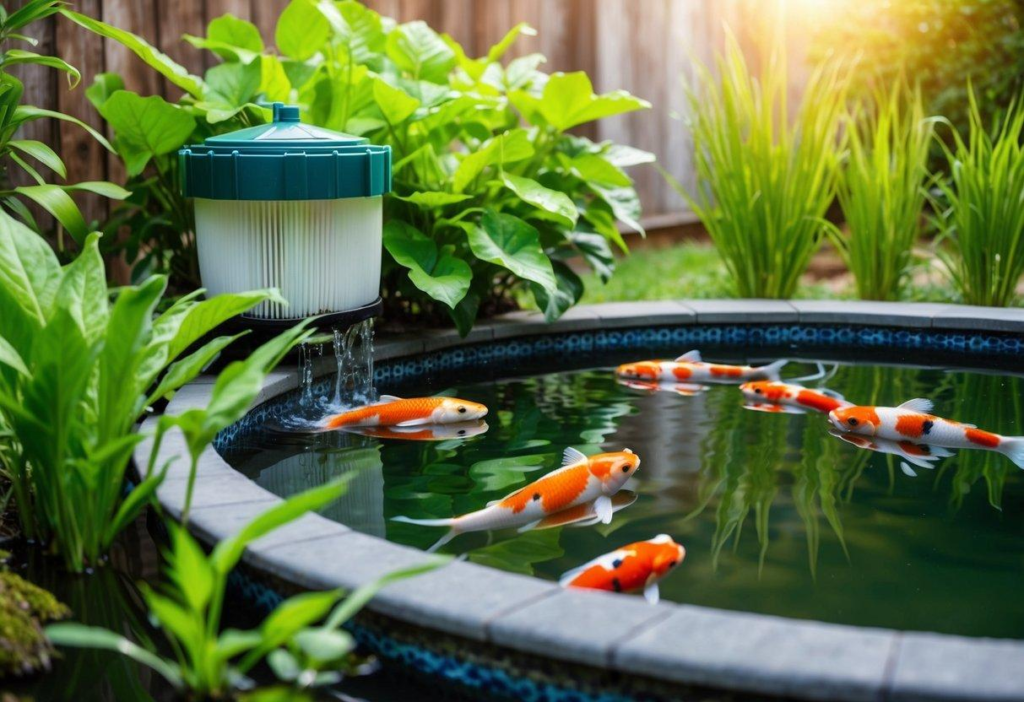
When discussing how to keep a pond healthy, filtration is one of the first things experts recommend.
A good filtration system performs three essential tasks:
Mechanical Filtration
Removes:
- Leaves
- Fish waste
- Uneaten food
- Debris
Biological Filtration
Supports beneficial bacteria that break down harmful substances, including ammonia and nitrite.
Chemical Filtration
Helps remove:
- Dissolved organic compounds
- Excess nutrients
- Water discoloration
Choosing a filtration system that matches your pond’s size and fish load is essential for long-term pond health.
Prevent and Control Algae Growth
Algae is one of the biggest challenges for pond owners trying to learn how to keep a pond healthy.
While a small amount of algae is normal, excessive growth can cause numerous problems.
Causes of Algae Growth
Common causes include:
- Excess nutrients
- Overfeeding fish
- Direct sunlight
- Poor filtration
- Lack of aquatic plants
Natural Ways to Control Algae
To reduce algae naturally:
- Add aquatic plants
- Install UV clarifiers
- Maintain proper filtration
- Remove debris regularly
- Avoid overfeeding
Maintaining nutrient balance is one of the best ways to keep algae under control.
Add Aquatic Plants
Aquatic plants play a major role in understanding how to keep a pond healthy naturally.
Plants act as natural filters by absorbing excess nutrients that algae would otherwise use to grow.
Benefits of Pond Plants
Aquatic plants:
- Improve water quality
- Produce oxygen
- Reduce algae growth
- Provide shade
- Offer shelter for fish
- Create a natural ecosystem
Recommended Pond Plants
Popular choices include:
Water Lily
Water Lettuce
Hornwort
Water Hyacinth
Adding a variety of aquatic plants significantly improves the overall health and appearance of your pond.
Feed Fish Properly
Proper feeding is another critical aspect of how to keep a pond healthy.
Many pond problems begin with overfeeding.
Why Overfeeding Is Harmful
Excess food:
- Pollutes the water
- Increases ammonia levels
- Promotes algae growth
- Reduces water clarity
- Places stress on filtration systems
Feeding Best Practices
- Feed only what fish consume in a few minutes.
- Remove uneaten food.
- Adjust feeding according to weather conditions.
- Use high-quality fish food.
A simple feeding routine can make a significant difference in maintaining pond health.
Remove Debris Regularly
Organic debris can quickly degrade water quality.
If you want to know how to keep a pond healthy, regular cleaning should become part of your routine.
Common Sources of Pond Debris
- Fallen leaves
- Dead plants
- Fish waste
- Uneaten food
- Dust and dirt
As debris decomposes, it releases nutrients that encourage algae growth and reduce oxygen levels.
Maintenance Tips
- Skim leaves regularly.
- Remove dead plant matter.
- Vacuum pond sludge if necessary.
- Clean skimmer baskets.
Simple weekly maintenance can prevent larger problems later.
Perform Regular Water Changes
Partial water changes are one of the easiest methods for maintaining pond health.
Regular water changes:
- Remove excess nutrients
- Reduce nitrate accumulation
- Improve water clarity
- Replenish minerals
- Support fish health
How Often Should Water Be Changed?
Most ponds benefit from replacing approximately 10–20% of the water every few weeks.
Avoid changing all the water at once, as this can disturb beneficial bacteria and stress fish.
Consistent water changes are an important part of learning how to keep a pond healthy.
Ensure Proper Aeration and Water Circulation
Good aeration and circulation are essential for pond ecosystems.
Water movement helps:
- Increase oxygen levels
- Prevent stagnant areas
- Support beneficial bacteria
- Improve filtration efficiency
- Promote healthier fish
Ways to Improve Aeration
- Install air pumps
- Add waterfalls
- Use fountains
- Increase water circulation
Fish and beneficial bacteria depend heavily on oxygen-rich water.
Signs of poor aeration include:
- Fish gathering near the surface
- Foul odors
- Cloudy water
- Increased algae growth
Seasonal Pond Care Tips
Understanding seasonal care is crucial when learning how to keep a pond healthy throughout the year.
Spring Pond Maintenance
Spring is the ideal time to:
- Clean the pond
- Restart filtration systems
- Remove accumulated debris
- Test water parameters
- Divide and replant aquatic plants
Summer Pond Care
Summer usually brings:
- Higher temperatures
- Increased algae growth
- Lower oxygen levels
During summer:
- Increase aeration
- Monitor water quality closely
- Trim aquatic plants
- Avoid overfeeding
Monsoon and Autumn Care
Falling leaves and heavy rain can affect pond balance.
Maintenance tasks include:
- Remove fallen leaves
- Check water levels
- Monitor filtration systems
- Remove excess debris
Winter Pond Maintenance
Cold temperatures slow biological activity.
Winter care involves:
- Maintaining oxygen exchange
- Monitoring equipment
- Feeding fish less frequently
- Protecting pumps and filters if necessary
Seasonal adjustments help maintain pond health year-round.
Signs of a Healthy Pond
If you’re successfully applying these practices, your pond will display several positive signs.
Crystal-Clear Water
Healthy ponds generally have clear water with good visibility.
Active Fish
Fish should swim normally, feed actively, and display bright colors.
Controlled Algae Growth
Some algae are normal, but excessive blooms indicate imbalance.
Healthy Aquatic Plants
Plants should appear vibrant and grow consistently.
Stable Water Parameters
Regular testing should show balanced conditions with minimal fluctuations.
These indicators demonstrate that your pond ecosystem is functioning properly.
Common Mistakes to Avoid
Even experienced pond owners occasionally make mistakes.
Avoid these common issues:
Overstocking Fish
Too many fish create excess waste and increase filtration demands.
Overfeeding
Excess food rapidly degrades water quality.
Ignoring Water Testing
Testing helps identify problems before they become severe.
Neglecting Filter Maintenance
Dirty filters lose efficiency and reduce water quality.
Using Excessive Chemicals
Chemical treatments should never replace proper pond management practices.
Avoiding these mistakes will make it easier to understand how to keep a pond healthy over the long term.
Conclusion
Learning how to keep a pond healthy comes down to maintaining balance. Clean water, proper filtration, aquatic plants, good aeration, and consistent maintenance all work together to create a thriving pond ecosystem.
Regular water testing, controlled feeding, debris removal, and seasonal care can prevent most common pond problems before they occur. Whether you own a small garden pond or a large koi pond, following these best practices will help you maintain crystal-clear water, healthy fish, and a beautiful outdoor feature that you can enjoy throughout the year.
Remember that a healthy pond is not achieved through occasional cleaning or quick fixes. Instead, it requires a proactive approach and a regular maintenance schedule. Monitoring water parameters, servicing filtration systems, and observing your fish for signs of stress can help you identify potential issues before they become major problems.
Investing time in proper pond care also rewards you with a more stable ecosystem that requires fewer corrective treatments and less intensive maintenance in the long run. Healthy ponds naturally support beneficial bacteria, encourage aquatic plant growth, and create an ideal environment for fish and other aquatic life to thrive.
By understanding how to keep a pond healthy and implementing these simple yet effective practices, you can create a balanced, self-sustaining water feature that enhances your outdoor space and provides years of enjoyment. With consistent care and attention, your pond can remain clear, vibrant, and full of life in every season.
Frequently Asked Questions
How do I keep my pond healthy naturally?
Maintain proper filtration, add aquatic plants, avoid overfeeding, and perform regular maintenance.
How often should I clean my pond?
Remove debris weekly and perform partial water changes every few weeks.
Why is my pond water turning green?
Green water is usually caused by excess nutrients, direct sunlight, and algae growth.
Do aquatic plants improve pond health?
Yes. Aquatic plants absorb nutrients, produce oxygen, and help maintain a balanced ecosystem.
What is the best way to keep a koi pond healthy?
Use an efficient filtration system, maintain stable water quality, provide adequate aeration, and follow a consistent maintenance schedule.