

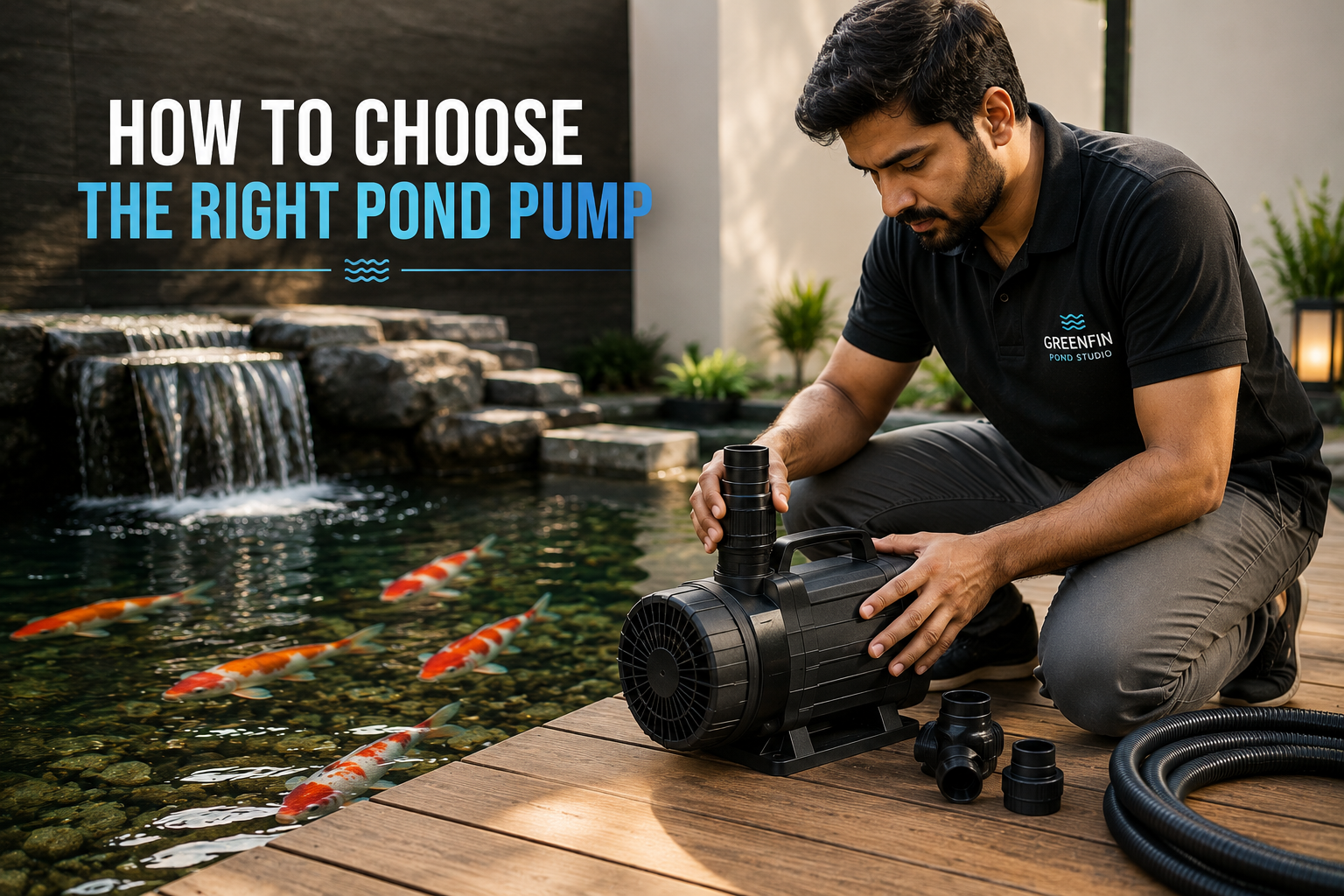
How to Choose a Right Pond Pump: Complete Buyer’s Guide (2026)
A pond pump is the heart of every healthy pond. Whether you’re creating a peaceful garden pond, a luxurious koi pond, or a decorative water feature, selecting the correct pump ensures proper water circulation, filtration, and oxygenation.
If you’re wondering how to choose the right pond pump, this comprehensive guide will help you understand everything you need to know before buying one.
Why Choosing the Right Pond Pump Matters
A pond pump continuously circulates water through your filtration system, waterfall, fountain, or stream. Without proper circulation:
- Water becomes stagnant.
- Algae growth increases.
- Oxygen levels drop.
- Fish health deteriorates.
- Filtration becomes ineffective.
Choosing the correct pump improves water quality, keeps fish healthy, and reduces maintenance.
Step 1: Calculate Your Pond Volume
Before selecting a pump, calculate your pond’s total water volume.
For a rectangular pond:
Length × Width × Average Depth × 1000 = Litres
Example:
- Length: 4 m
- Width: 2 m
- Depth: 1 m
Water Volume = 8,000 Litres
Knowing your pond volume is the first step in how to choose the right pond pump.
Step 2: Determine the Required Flow Rate
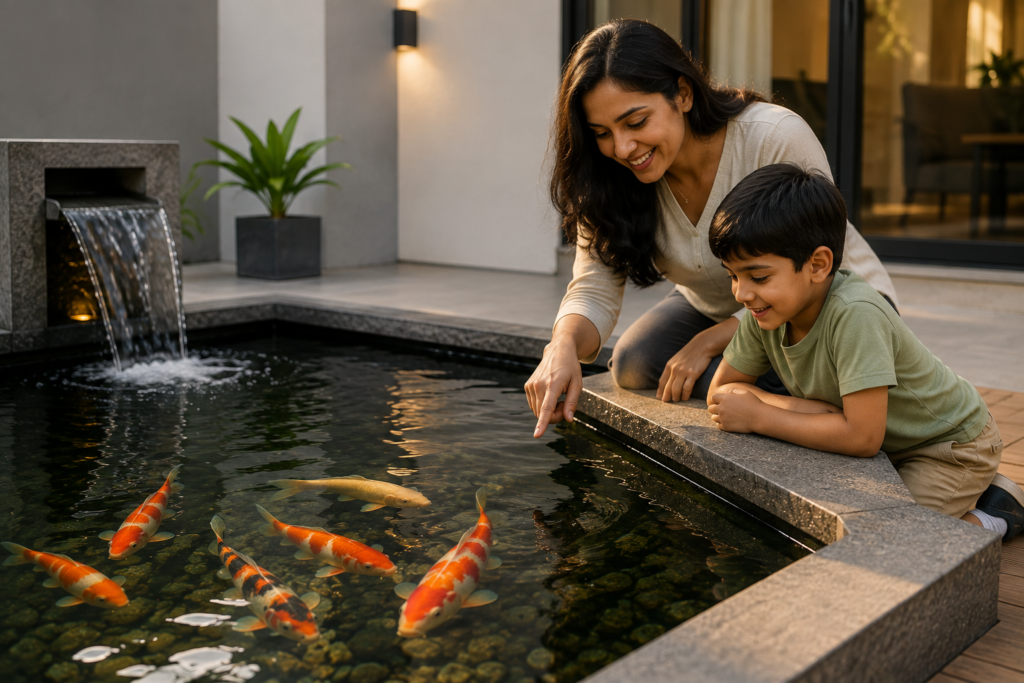
A good pond pump should circulate the entire pond volume every:
- 1 hour for koi ponds
- 1–2 hours for ornamental ponds
- 30–60 minutes for ponds with heavy fish stocking
Example:
For an 8,000-litre koi pond:
Required Pump Flow = 8,000–10,000 LPH
Always choose a slightly larger pump because pipe length, filter resistance, and waterfalls reduce the actual flow.
Step 3: Consider Head Height
Head height is the vertical distance the pump pushes water.
Examples:
- Filter located above pond level
- Waterfall
- Fountain
- Elevated stream
The higher the water must travel, the lower the actual flow.
Always check the manufacturer’s performance chart instead of relying only on the maximum LPH rating.
Step 4: Match the Pump with Your Filtration System
Different filters require different flow rates.
Pressurized Filters
Suitable for:
- Small ponds
- Garden ponds
- Decorative ponds
Multi-Chamber Filters
Ideal for:
- Medium to large ponds
- Heavy biological filtration
Rotary Drum Filters (RDF)
Best for:
- Premium koi ponds
- Large ponds
- High fish load
Always ensure your pump matches the recommended flow rate of your filtration system.
Step 5: Choose the Right Pump Type
Submersible Pond Pumps
Advantages:
- Easy installation
- Quiet operation
- Ideal for small and medium ponds
- Lower initial cost
Best for:
- Garden ponds
- Waterfalls
- Fountains
External Pond Pumps
Advantages:
- Higher efficiency
- Lower power consumption
- Longer lifespan
- Better for continuous operation
Best for:
- Large koi ponds
- Commercial ponds
- Large filtration systems
Step 6: Energy Efficiency Matters
A pond pump operates 24 hours a day.
Even a small difference in wattage can significantly affect electricity costs over time.
Choose:
- Energy-efficient motors
- Brushless technology
- Reliable brands
- Low operating wattage
Although premium pumps cost more initially, they often save money in the long run.
Step 7: Consider Fish Load
The more fish you keep, the stronger your filtration and circulation should be.
Light Fish Stocking
Normal circulation is sufficient.
Heavy Fish Stocking
Increase:
- Pump capacity
- Biological filtration
- Mechanical filtration
- Aeration
For koi ponds, always choose a pump with additional capacity.
Step 8: Think About Future Expansion
Many pond owners later add:
- Waterfalls
- UV clarifiers
- Additional filters
- Streams
- Decorative fountains
Buying a slightly larger pump now can save you from replacing it later.
Common Mistakes to Avoid
Many pond owners make these costly mistakes:
- Buying the cheapest pump available
- Ignoring head height
- Choosing an undersized pump
- Using indoor pumps outdoors
- Not matching the filter flow requirements
- Overlooking energy consumption
Avoiding these mistakes will improve pond performance and reduce maintenance.
Different Types of Pond Pumps
Choosing the right pond pump also means understanding the different types available. Each type is designed for specific pond sizes, filtration systems, and water features. Selecting the appropriate pump ensures efficient water circulation, healthier fish, and long-term reliability.
Submersible Pond Pumps
Submersible pumps are installed directly inside the pond and are ideal for small to medium-sized garden ponds. They are easy to install, operate quietly, and are commonly used for waterfalls, fountains, and basic filtration systems.
External Pond Pumps
External pumps are installed outside the pond and are designed for medium to large ponds, especially koi ponds. They offer higher flow rates, better energy efficiency, and longer service life, making them ideal for continuous 24/7 operation.
Solids-Handling Pond Pumps
These pumps are specifically designed to handle leaves, fish waste, and other debris without clogging. They are a popular choice for koi ponds and ponds with heavy biological loads, where efficient waste removal is essential.
Waterfall & Stream Pumps
Waterfall pumps are built to deliver high water flow to waterfalls, streams, and spillways. They create strong water movement while maintaining an attractive and natural-looking water feature.
Fountain Pumps
Fountain pumps are designed to power decorative fountains and water displays. Many models include adjustable flow controls and multiple spray patterns, making them suitable for ornamental ponds and landscape features.
Variable Speed Pond Pumps
Variable speed pumps allow you to adjust the flow rate according to seasonal requirements or different water features. They help reduce electricity consumption while providing greater flexibility and efficient pond management.
Which Pond Pump Is Best?
The best pond pump depends on your pond’s size and purpose.
Small Decorative Pond
- 2,000–5,000 LPH
- Compact submersible pump
Medium Garden Pond
- 5,000–10,000 LPH
- Energy-efficient filtration pump
Koi Pond
- 10,000 LPH and above
- High-performance continuous-duty pump
Always select a pump from a trusted manufacturer that offers reliable after-sales support and spare parts.
Maintenance Tips
To maximize the lifespan of your pond pump:
- Clean the pump intake regularly.
- Remove leaves and debris.
- Inspect the impeller.
- Keep the filter clean.
- Check pipes for blockages.
- Service the pump as recommended by the manufacturer.
Proper maintenance ensures years of reliable performance.
Final Thoughts
Understanding how to choose the right pond pump is essential for maintaining a healthy, beautiful pond. By calculating your pond volume, selecting the correct flow rate, accounting for head height, and matching the pump to your filtration system, you can ensure clear water and a thriving aquatic environment.
Whether you’re building a new koi pond or upgrading an existing garden pond, investing in the right pump will improve water quality, reduce maintenance, and protect your fish for years to come.
At Greenfin Pond Studio, we specialize in pond construction, filtration system design, premium pond equipment, and expert consultation. Our team can help you choose the ideal pond pump for your specific requirements, ensuring maximum efficiency and long-term performance.
Frequently Asked Questions
1. What size pond pump do I need?
Choose a pump that can circulate your pond’s total water volume at least once every hour for koi ponds and every 1–2 hours for ornamental ponds.
2. Is a bigger pond pump always better?
Not necessarily. An oversized pump can waste energy and create excessive water movement. The pump should match your pond size, filtration system, and water feature requirements.
3. Can one pump run both a filter and a waterfall?
Yes, provided the pump has sufficient flow capacity after accounting for head height and pipe losses. In larger systems, separate pumps may offer better performance.
4. How long should a pond pump run each day?
For most ponds, the pump should run continuously (24/7) to maintain proper circulation, filtration, and oxygen levels.
5. How often should I clean my pond pump?
Inspect the pump every 2–4 weeks and clean it whenever debris begins to restrict water flow. Regular maintenance extends the pump’s lifespan and improves efficiency.