

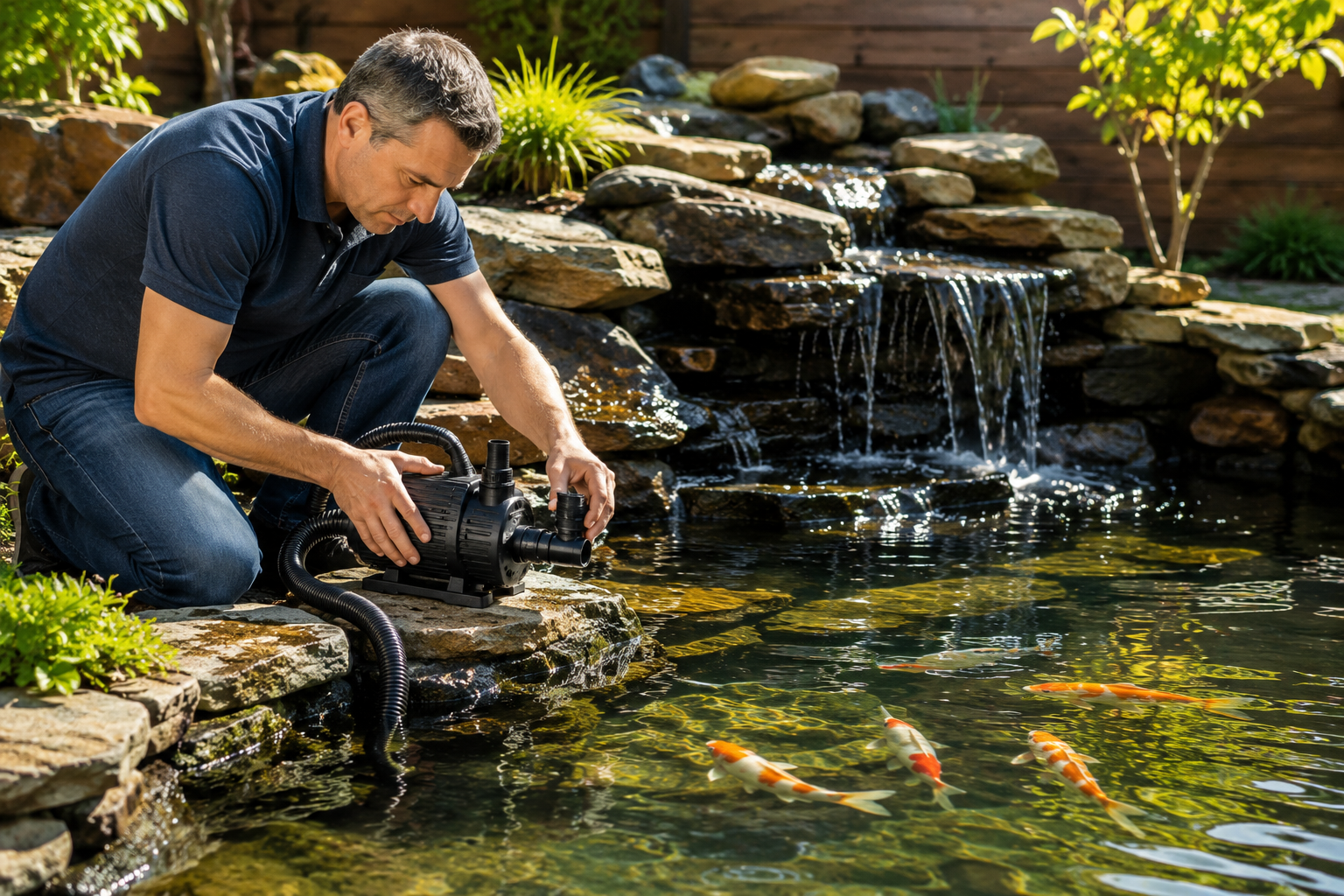
Best Pond Pump for Waterfalls: The Complete Buying Guide (2026)
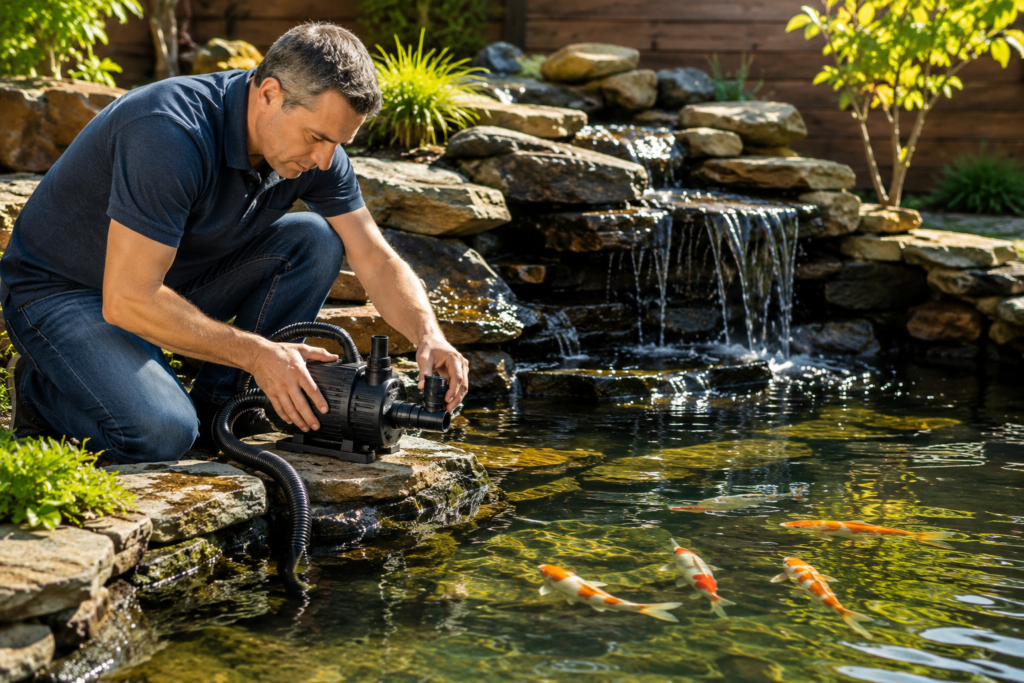
A beautiful pond waterfall is more than just an eye-catching feature—it creates a peaceful atmosphere, improves water circulation, and supports a healthier environment for fish and aquatic plants. At the heart of every stunning waterfall is the best pond pump for waterfalls, which ensures a steady flow of water and keeps your pond ecosystem balanced.
Whether you’re building a new koi pond, upgrading an existing garden pond, or replacing an old pump, choosing the best pond pump for waterfalls can make a significant difference in both appearance and performance. A properly sized pump delivers the right amount of water to your waterfall, improves oxygen levels, supports biological filtration, and helps prevent algae and stagnant water.
With so many pond pumps available, selecting the right one can feel overwhelming. Flow rate, head height, energy efficiency, durability, and maintenance are all important factors to consider. Choosing the wrong pump may result in a weak waterfall, higher electricity costs, or unnecessary wear and tear on your equipment.
This comprehensive guide explains everything you need to know about selecting the best pond pump for waterfalls. You’ll learn how waterfall pumps work, the different types available, their benefits, and the key features to consider before making your purchase. By the end of this guide, you’ll have the knowledge needed to choose a pump that keeps your waterfall flowing beautifully throughout the year.
What Is a Pond Waterfall Pump?
A pond waterfall pump is a specialized water pump designed to move water continuously from the pond to the top of a waterfall or stream. Once the water reaches the highest point, gravity allows it to cascade naturally back into the pond, creating a relaxing waterfall effect while improving overall pond health.
Unlike decorative fountain pumps, waterfall pumps are designed to move larger volumes of water over greater distances and heights. They are built to operate continuously, making them ideal for koi ponds, garden ponds, and decorative water features.
The best pond pump for waterfalls provides reliable water circulation while consuming as little electricity as possible. High-quality pumps also offer quieter operation, longer service life, and better resistance to debris commonly found in outdoor ponds.
How a Waterfall Pump Works
A waterfall pump operates using an electric motor connected to an impeller. The impeller rotates rapidly, drawing water into the pump and pushing it through pipes or hoses toward the waterfall spillway or stream.
The process typically follows these steps:
- Water enters the pump through an intake.
- The impeller increases water pressure.
- Water travels through plumbing to the waterfall.
- Water flows over rocks or spillways.
- Water returns naturally to the pond.
This continuous circulation keeps the pond fresh while creating the soothing sound of flowing water.
Modern waterfall pumps are engineered for continuous operation, allowing them to run 24 hours a day with minimal maintenance. Many premium models are also energy efficient, helping reduce electricity costs over time.
Why Waterfalls Need Dedicated Water Circulation
A waterfall is more than just a decorative feature. Continuous water movement provides several important benefits for your pond ecosystem.
Moving water increases dissolved oxygen, which fish and beneficial bacteria need to survive. Good circulation also distributes nutrients evenly throughout the pond, preventing areas of stagnant water where algae and harmful bacteria can thrive.
Without proper circulation, leaves, debris, and waste may accumulate in certain areas, leading to poor water quality. This is why choosing the best pond pump for waterfalls is essential for maintaining both beauty and functionality.
Dedicated waterfall pumps also ensure a consistent water flow regardless of seasonal changes. Whether it’s summer or winter, a quality pump helps maintain a stable aquatic environment.
Benefits of Continuous Water Flow
A continuously flowing waterfall offers many long-term advantages.
Improves Oxygen Levels
Flowing water naturally absorbs oxygen from the air, creating healthier conditions for koi fish, goldfish, and beneficial bacteria.
Keeps Water Cleaner
Constant circulation prevents debris from settling and directs waste toward the filtration system, resulting in clearer water.
Supports Biological Filtration
Beneficial bacteria thrive in oxygen-rich environments. These bacteria break down fish waste and ammonia, improving overall water quality.
Reduces Algae Growth
Good circulation limits stagnant areas where algae often develop. Combined with proper filtration, the best pond pump for waterfalls helps maintain crystal-clear water.
Enhances Waterfall Appearance
A correctly sized pump creates a smooth, natural-looking waterfall that enhances the beauty of your garden and provides relaxing water sounds.
Why Choosing the Best Pond Pump for Waterfalls Matters
Selecting the correct waterfall pump is one of the most important decisions you’ll make when building or maintaining a pond. A high-quality pump affects not only the appearance of your waterfall but also the long-term health of your entire pond ecosystem.
Many pond owners focus only on purchasing a powerful pump, but performance depends on choosing a model that matches your pond’s size, waterfall height, and filtration system.
Crystal-Clear Water
The best pond pump for waterfalls continuously circulates water through your filtration system, removing suspended particles, fish waste, and organic debris before they accumulate.
Proper circulation also helps distribute treated water evenly throughout the pond, preventing cloudy areas and improving overall water clarity.
Healthier Fish and Aquatic Life
Fish require clean, oxygen-rich water to remain healthy. Waterfalls naturally increase oxygen exchange as water tumbles back into the pond.
Higher oxygen levels reduce stress on fish and encourage beneficial bacteria to thrive. These bacteria convert toxic ammonia into safer compounds, supporting a balanced pond ecosystem.
Better Biological Filtration
Biological filters rely on a constant flow of oxygenated water. If water circulation is poor, beneficial bacteria become less effective.
The best pond pump for waterfalls provides the steady flow needed for biological filtration media to perform efficiently, improving water quality throughout the year.
Prevents Stagnant Water
Still water can quickly become a breeding ground for mosquitoes, algae, and harmful bacteria.
Continuous movement prevents dead zones where debris collects and improves overall circulation across the pond. This creates a cleaner, healthier environment with fewer maintenance issues.
Improves Water Quality
Consistent water movement helps stabilize water temperature, distribute oxygen evenly, and prevent localized pollution from fish waste or decaying leaves.
Combined with a quality filtration system, the right waterfall pump keeps pond water healthier and easier to maintain.
Enhances Landscape Beauty
Beyond its practical benefits, a waterfall becomes the centerpiece of any garden. The sight and sound of flowing water create a relaxing atmosphere while attracting birds and other wildlife.
The best pond pump for waterfalls ensures a smooth, consistent flow that enhances the natural appearance of your landscape and delivers the tranquil experience most pond owners seek.
Types of Pond Pumps for Waterfalls
Understanding the different types of waterfall pumps makes it easier to select the right model for your pond. Each type offers unique advantages depending on pond size, waterfall height, and maintenance preferences.
Submersible Pond Pumps
Submersible pumps operate underwater, usually placed at the deepest part of the pond.
These pumps are popular for small and medium-sized ponds because they are easy to install and require minimal plumbing.
Advantages
- Easy installation
- Quiet operation
- Compact design
- Lower initial cost
- Ideal for small and medium waterfalls
Disadvantages
- Slightly less energy efficient than external pumps
- Requires occasional removal for cleaning
- Shorter lifespan in demanding applications
Submersible models are an excellent choice when looking for the best pond pump for waterfalls in residential garden ponds.
External Pond Pumps
External pumps are installed outside the pond and draw water through plumbing before sending it to the waterfall or filter.
These pumps are commonly used for large koi ponds and commercial water features because they deliver higher flow rates and greater efficiency.
Advantages
- Excellent energy efficiency
- Higher flow capacity
- Longer operating life
- Easier maintenance access
- Suitable for large waterfalls
Disadvantages
- More complex installation
- Higher upfront investment
- Requires weather protection
For large waterfalls with significant head height, external pumps are often considered the best pond pump for waterfalls due to their consistent performance and durability.
Energy-Efficient Pond Pumps
Modern energy-efficient pumps are designed to deliver strong water flow while consuming less electricity.
These pumps use advanced motor technology that lowers operating costs without compromising performance.
Benefits include:
- Reduced electricity bills
- Continuous 24/7 operation
- Lower heat generation
- Longer motor life
- Environmentally friendly performance
Although they may cost more initially, energy-efficient models often save money over their lifetime, making them a smart investment for pond owners.
Variable-Speed Pond Pumps
Variable-speed pumps allow users to adjust water flow based on seasonal needs or waterfall preferences.
During summer, you may choose maximum flow for increased oxygenation. In cooler months, lower settings reduce energy consumption while maintaining adequate circulation.
Benefits include:
- Adjustable flow rate
- Improved energy efficiency
- Customizable waterfall appearance
- Reduced operating costs
- Greater flexibility for changing pond conditions
For homeowners who value performance and efficiency, variable-speed models are among the most versatile options available.
How to Choose the Best Pond Pump for a Waterfall
Choosing the best pond pump for waterfalls involves more than selecting the most powerful model. The right pump should match your pond’s dimensions, waterfall design, filtration system, and long-term operating needs. Investing time in choosing the correct pump will improve performance, reduce maintenance, and save on electricity costs.
Pond Size
The first factor to consider is the size of your pond. Larger ponds require pumps capable of circulating more water, while smaller decorative ponds need lower-capacity models.
As a general guideline:
- Small ponds (up to 2,000 liters): 2,000–4,000 LPH pump
- Medium ponds (2,000–8,000 liters): 4,000–8,000 LPH pump
- Large ponds (8,000+ liters): 8,000 LPH or higher
For koi ponds, many experts recommend circulating the entire pond volume at least once every hour. Matching the pump to your pond size helps ensure the best pond pump for waterfalls delivers optimal water movement.
Waterfall Height
The height of your waterfall has a direct impact on pump performance.
The higher the waterfall, the more effort the pump must exert to push water upward. Every meter of vertical lift reduces the pump’s actual flow rate.
Before purchasing a pump, measure:
- Height from the pond surface to the waterfall spillway
- Length of plumbing
- Number of bends and fittings
Ignoring waterfall height often results in weak water flow, even when using a high-capacity pump.
Flow Rate (LPH/GPH)
Flow rate refers to the amount of water the pump moves every hour.
A wider waterfall requires greater flow to create an attractive sheet of water.
General recommendations include:
- 20 cm waterfall width: 2,000–3,000 LPH
- 30 cm waterfall width: 4,000–6,000 LPH
- 60 cm waterfall width: 8,000–12,000 LPH
- Large natural waterfalls: 15,000 LPH or more
Selecting the appropriate flow rate is one of the most important steps in choosing the best pond pump for waterfalls.
Head Height
Head height is the maximum vertical distance a pump can lift water.
Every pump includes a performance chart showing how flow decreases as head height increases.
For example:
- Pump rated at 10,000 LPH
- Head height: 2 meters
- Actual flow may reduce to around 7,000 LPH
Always choose a pump with extra capacity to compensate for head loss.
Pipe Diameter
Many pond owners underestimate the importance of plumbing.
Small-diameter pipes restrict water flow and force the pump to work harder.
For better efficiency:
- Use the largest pipe diameter recommended by the manufacturer.
- Keep plumbing runs as short as possible.
- Reduce unnecessary elbows and sharp bends.
- Avoid sudden pipe size reductions.
Proper plumbing allows the best pond pump for waterfalls to perform at its maximum efficiency.
Energy Consumption
Since waterfall pumps often operate 24 hours a day, electricity usage should be a major consideration.
Modern energy-efficient pumps provide:
- Lower operating costs
- Reduced heat generation
- Longer motor life
- Quiet operation
Although premium pumps may cost more initially, they often save substantial money over several years.
Noise Level
A waterfall should create relaxing natural sounds—not motor noise.
Premium pond pumps use advanced motor technology that minimizes vibration and operating noise.
If your pond is located near a patio, bedroom, or seating area, selecting a quiet pump will significantly improve your outdoor experience.
Maintenance Requirements
The best pond pump for waterfalls should be easy to maintain.
Look for pumps with:
- Removable impellers
- Easy-access filter cages
- Durable seals
- Simple cleaning procedures
Regular maintenance becomes much easier with a well-designed pump.
Durability and Build Quality
Outdoor pond equipment must withstand changing weather conditions throughout the year.
Choose pumps constructed with:
- Corrosion-resistant materials
- Stainless steel shafts
- Ceramic bearings
- UV-resistant housings
- Heavy-duty impellers
High-quality construction increases reliability and reduces repair costs.
What Pump Size Do You Need for a Waterfall?
Selecting the correct pump size ensures your waterfall has the desired appearance while maintaining healthy pond circulation.
A pump that is too small creates only a trickle of water, while an oversized pump wastes electricity and may produce excessive water movement.
Calculate Your Pond Volume
Start by estimating your pond’s total water volume.
For rectangular ponds:
Length × Width × Average Depth = Volume
For irregular ponds, use an approximate average depth and consult your pond builder if necessary.
Knowing the pond volume helps determine the minimum circulation rate required.
Estimate Your Desired Waterfall Flow
Different waterfall styles require different flow rates.
Examples include:
Gentle Stream
- Soft flowing appearance
- Lower energy consumption
- Ideal for wildlife ponds
Medium Waterfall
- Moderate flow
- Most popular residential choice
- Attractive visual effect
Large Cascading Waterfall
- Strong water movement
- Dramatic appearance
- Requires higher-capacity pumps
The best pond pump for waterfalls should match the style you want without excessive energy use.
Consider Head Height Loss
Manufacturers rate pumps under ideal conditions.
However, every meter of vertical lift reduces actual performance.
Additional losses occur because of:
- Pipe friction
- Valves
- UV clarifiers
- Filters
- Elbows
Always account for these factors before selecting a pump.
Leave Extra Capacity
Many experienced pond builders recommend purchasing a pump with approximately 15–20% extra capacity.
Benefits include:
- Better long-term performance
- Room for future waterfall upgrades
- Compensation for filter resistance
- Improved reliability
Choosing slightly more capacity often results in better overall efficiency.
Best Features to Look for in a Pond Waterfall Pump
Not all pond pumps offer the same features.
When purchasing the best pond pump for waterfalls, consider the following characteristics.
High Flow Efficiency
Efficient pumps move more water while using less electricity.
This improves waterfall performance and lowers operating costs.
Low Power Consumption
Energy-saving motors can operate continuously while reducing monthly electricity bills.
For ponds that run year-round, this feature provides significant savings.
Clog-Resistant Impeller
Leaves, algae, and debris are common in outdoor ponds.
A clog-resistant impeller reduces maintenance and improves reliability.
Dry-Run Protection
Some premium pumps automatically switch off if water levels become too low.
This prevents motor damage and extends pump life.
Fish-Safe Operation
Quality pumps include protective intake screens that prevent fish, fry, and aquatic animals from being drawn into the impeller.
This is especially important for koi ponds.
Quiet Performance
Modern brushless motors provide smooth, silent operation.
Combined with the natural sound of flowing water, this creates a peaceful garden environment.
Weather-Resistant Construction
Outdoor pumps should withstand:
- Heavy rain
- High temperatures
- Cold weather
- UV exposure
Weather-resistant materials ensure dependable operation throughout the seasons.
Easy Maintenance
Choose pumps designed for quick servicing.
Helpful features include:
- Tool-free disassembly
- Replaceable impellers
- Accessible filter cages
- Durable seals
Routine cleaning takes only a few minutes with these designs.
Common Mistakes When Buying a Pond Pump
Many pond owners purchase the wrong pump because they overlook important technical details.
Avoid these common mistakes when selecting the best pond pump for waterfalls.
Buying Based Only on Price
Cheaper pumps often consume more electricity, require frequent maintenance, and have shorter lifespans.
Investing in a quality pump usually offers better value over time.
Ignoring Head Height
One of the biggest mistakes is selecting a pump based solely on its advertised flow rate.
Always review the manufacturer’s performance chart to determine actual flow at your waterfall height.
Choosing the Wrong Flow Rate
An undersized pump creates a weak waterfall, while an oversized pump wastes energy and can cause excessive splashing.
Match the flow rate to your waterfall’s width and design.
Using Undersized Plumbing
Small pipes create unnecessary resistance.
Using correctly sized plumbing improves efficiency and allows the pump to operate closer to its rated capacity.
Forgetting Future Expansion
Many pond owners eventually add:
- Larger waterfalls
- Additional filters
- UV clarifiers
- Streams
- Decorative fountains
Selecting a pump with some extra capacity provides flexibility for future upgrades without requiring a complete replacement.
Pond Pump Maintenance Tips
Even the best pond pump for waterfalls requires regular maintenance to deliver reliable performance. A well-maintained pump not only keeps your waterfall flowing beautifully but also extends the life of your filtration system and improves water quality.
Clean the Pump Regularly
Leaves, algae, fish waste, and other debris can collect around the pump intake and impeller over time. Cleaning the pump every 4–6 weeks, or more frequently during autumn, helps maintain optimal water flow.
When cleaning:
- Turn off the power supply.
- Remove the pump from the pond (if submersible).
- Rinse the housing with clean pond water.
- Remove debris from the impeller and intake screen.
- Reassemble and restart the pump.
Avoid using detergents or harsh chemicals, as they can harm fish and beneficial bacteria.
Inspect the Impeller
The impeller is the heart of the pump. A damaged or clogged impeller reduces flow and increases energy consumption.
Check for:
- Cracks or wear
- Tangled algae
- Small stones or gravel
- Fishing line or plant roots
Replacing a worn impeller is often more cost-effective than replacing the entire pump.
Check Plumbing and Connections
Inspect hoses and pipe connections regularly for leaks, blockages, or loose fittings.
Ensure that:
- Pipes are free from obstructions.
- Hose clamps are secure.
- Valves operate correctly.
- Water flows smoothly to the waterfall.
Good plumbing helps the best pond pump for waterfalls perform at maximum efficiency.
Seasonal Maintenance
Each season brings different maintenance needs.
Spring
- Deep clean the pump and filter.
- Restart the system after winter.
- Check electrical connections.
Summer
- Monitor water levels regularly.
- Remove algae and debris.
- Ensure continuous circulation during hot weather.
Autumn
- Remove fallen leaves frequently.
- Install a pond net if needed.
- Clean the pump more often.
Winter
- Follow the manufacturer’s recommendations.
- In colder regions, protect exposed plumbing from freezing.
- Continue running the pump if conditions allow, or store it safely if shutting down the system.
Extend Pump Lifespan
To maximize the life of your pond pump:
- Never allow the pump to run dry.
- Keep the intake free from debris.
- Use a pre-filter when necessary.
- Service the pump according to the manufacturer’s schedule.
- Replace worn components promptly.
Proper care ensures the best pond pump for waterfalls continues to operate efficiently for many years.
Best Pond Pump for Different Waterfall Sizes
Different waterfalls require different pump capacities. Selecting the correct pump size improves both performance and energy efficiency.
Small Garden Waterfalls
Suitable for:
- Patio ponds
- Mini water gardens
- Decorative ponds
Recommended flow:
- Approximately 2,000–4,000 LPH
Ideal features:
- Compact design
- Low power consumption
- Quiet operation
Medium Waterfalls
Suitable for:
- Family garden ponds
- Ornamental fish ponds
- Medium landscape waterfalls
Recommended flow:
- Approximately 4,000–8,000 LPH
Ideal features:
- Energy-efficient motor
- Durable impeller
- Reliable continuous operation
Large Koi Pond Waterfalls
Suitable for:
- Large koi ponds
- Professional pond installations
- Heavy filtration systems
Recommended flow:
- 8,000–15,000+ LPH
Ideal features:
- High head height
- External installation option
- Heavy-duty construction
- Low operating cost
Multi-Tier Waterfalls
Complex waterfall designs often require higher flow rates because water must travel longer distances.
Recommended features:
- Variable-speed control
- High-pressure performance
- Excellent energy efficiency
- Reliable 24/7 operation
The best pond pump for waterfalls for multi-tier systems should provide consistent flow even at higher elevations.
Frequently Asked Questions
What is the best pond pump for waterfalls?
The best pond pump for waterfalls is one that matches your pond size, waterfall height, and required flow rate while offering energy efficiency, quiet operation, and long-term durability.
What size pond pump do I need for a waterfall?
The correct pump size depends on your pond volume, waterfall width, vertical lift (head height), and plumbing layout. Always choose a pump with enough capacity to compensate for flow loss caused by elevation and pipe resistance.
Can one pump run both a pond filter and a waterfall?
Yes. Many pond owners use a single pump to supply both the filtration system and the waterfall. Ensure the pump has sufficient flow capacity for both applications.
Should a pond waterfall run all day?
Yes. Running your waterfall continuously provides better oxygenation, improves filtration efficiency, and helps maintain stable water quality for fish and aquatic plants.
How often should I clean my pond pump?
Inspect the pump every month and clean it whenever debris begins restricting water flow. Ponds with many trees or heavy fish loads may require more frequent maintenance.
Are energy-efficient pond pumps worth buying?
Absolutely. Although they may have a higher purchase price, energy-efficient models consume less electricity, operate more quietly, and usually have a longer service life, making them an excellent long-term investment.
Final Thoughts
Choosing the best pond pump for waterfalls is one of the most important decisions you can make when designing or upgrading your pond. The right pump does much more than create a beautiful waterfall—it supports healthy water circulation, improves oxygen levels, enhances biological filtration, and helps maintain crystal-clear water throughout the year.
Before purchasing a pump, carefully evaluate your pond size, waterfall height, required flow rate, and head height. Selecting a pump that is properly matched to your pond’s requirements will improve efficiency, reduce maintenance, and lower long-term operating costs.
Regular maintenance is equally important. Cleaning the pump, inspecting the impeller, and checking plumbing connections will ensure years of reliable performance while protecting your investment.
Whether you’re creating a peaceful backyard water garden or managing a large koi pond, investing in the best pond pump for waterfalls ensures your waterfall remains the stunning centerpiece of your outdoor space.
At Greenfin India, you’ll find a wide range of premium pond pumps, waterfall pumps, filtration systems, UV clarifiers, and pond accessories designed to help you build a healthier, more beautiful pond. Explore high-quality solutions and expert support to create the perfect water feature for your home or commercial landscape.